Lieutenant Colonel J. Scott-Bowden(1883 - 1977 )
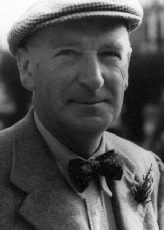
Jonathon Scott-Bowden trained as a vet, and joined the Royal Army Veternary Corps in World War 1. He served in Gallipoli, France and Belgium. He was awarded the O.B.E. in the field, and was twice mentioned in dispatches. He retired in June, 1938, after 30 years’ service, and went into the Officers’ Emergency Reserve.
In 1920, he bought the Colwall Park Hotel and Brook Farm. The Colonel helped develop the Colwall Park racecourse, which ran successfully as a National Hunt course until the outbreak of the Second World War. He was forced by war time regulations to sell the course in 1942, which he did at a public auction in Ledbury for £10,500.00 to Dowsett-Mckay.
In March 1939, he was responsible for organising the accomodation Census in Colwall, in preperation for housing evacuees at the start of the war. In the September 1939 Register, Col. Scott-Bowden's was living at Beulah in Colwall Green along with his wife Mary and their son Logan. His occupation was listed as "Farmer and Improver Ministry of Agriculture". However, at the age of 56 he joined the Auxilary Military Pioneer Corps and was given command of a Company with the rank of Major. In December 1939, his company was sent to France as part of the British Expeditionary Force (B.E.F.).
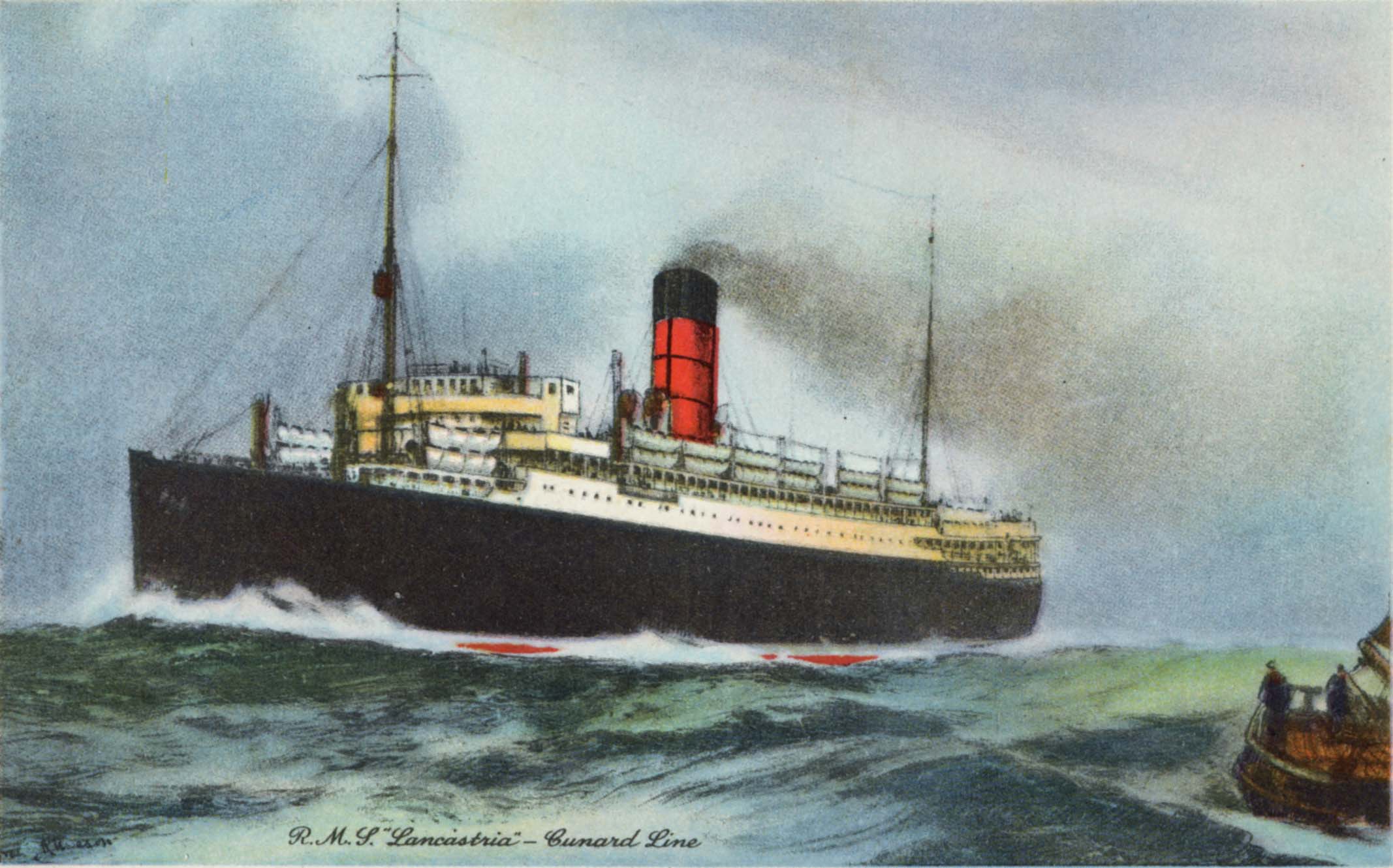

His company was amongst some 124,000 men, mostly logistic support troops, who had been cut off to the south of the German advance through France. Operation Aerial was set up to evacuate those troops and other nationals from various ports in western France. Two weeks after the Dunkirk Evacuation S.S. Lancastria arrived at the port of St. Nazaire in West Brittany. On the 17th June, the Luftwaffe evaded RAF fighter patrols and attacked the evacuation ships in the Loire estuary, sinking a Cunard liner and the Lancastria. Lt.-Col. Scott-Bowden and George Bough from Colwall were both on the Lancastria when it was hit. 2,477 people survived, but between 4,000 and 7,000 people died. It was regarded as the worst loss of life that Britain ever suffered from one vessel.
“In December 1939, he went to France with his Company, and served there with the B.E.F. until its final
evacuation on June 17. He was on the S.S. “Lancastria” when that ship was sunk by enemy bombs, and he
spent the next two hours in the sea before he was rescued by a French trawler and taken back to France!
For several days, wearing pauper clothes, he travelled about France, seeking a means of escape. The
enemy were hurrying to secure control of all the French Atlantic ports, and he only avoided being taken
prisoner of war by boarding a small Danish cargo ship bound for Casa Blanca. After a most unpleasant
three weeks’ detention in Morocco, he was allowed to join a refugee ship bound for Gibraltar. There Col.
Scott Bowden had to go into hospital for five weeks, and he did not reach Britain until September.”
Malvern Gazette 4th January 1941
In September 1943, the Ledbury Reporter recorded in an article title "Colwall's Loss" that that Mr. and Mrs. Scott-Bodwden had recently left Colwall to take up residence in Windermere. It mentions that he had been a member of the Malvern Hills Conservators, Parish Counciler and a Magistrate.
His wife, Mary (Mollie) was a keen rider and accomplished sportswoman. She founded the Colwall Ladies Hockey Club which she captained for fourteen years. In 1926 that Mollie Scott-Bowden organised a cricket festival for women in Colwall - and so was founded the National Women’s Cricket Association. The Ladies Hockey club continued throughout the war. On her departure from Colwall, the Hockey Club presented her with a hockey ball clock poised on a green base with two hockey sticks superimposed.
The Scott-Bowdens' son Logan became a very distinguished soldier. Major General Logan Scott-Bowden CBE, DSO, MC. Logan was part of a unit, which in 1943, carried out highly secretive and dangerous missions to photograph and map potential landing sites for the later D-Day invasion in Normandy. Tom Marsh served with him and remembered him affectionately as ‘Scotty’.